
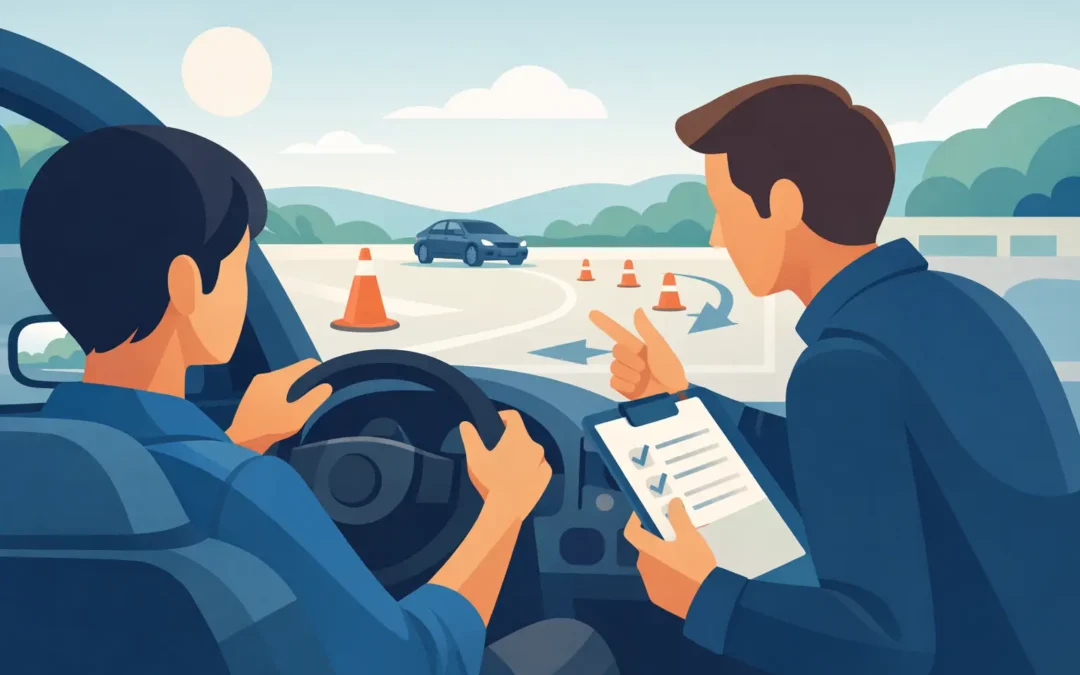
The first driving lesson feels bigger than it looks on the calendar. For most teens, it is the first time sitting in the driver’s seat with a licensed instructor, real traffic around them, and a parent waiting to hear how it went. If you are wondering how to prepare for behind the wheel training, the goal is not to show up perfect. The goal is to show up ready to learn, follow directions, and build safe habits from day one.
That matters because behind-the-wheel training is not just a box to check for your California license. It is where new drivers start turning rules they memorized into decisions they can make in real time. A little preparation helps students feel calmer, helps parents feel more confident, and helps each lesson move faster.
What behind-the-wheel training actually expects
A lot of teens assume they need to already know how to drive before the first lesson. That is not the standard. A good training program is designed for beginners and permit holders who still need coaching on the basics.
What instructors usually expect is much simpler. Students should arrive with the correct permit, be ready to listen, and have a basic understanding of traffic signs, right-of-way, and safety rules. They do not need polished skills, but they do need the right attitude. Students who accept feedback, stay focused, and ask questions usually improve faster than students who try to look confident while guessing.
For parents, this is a useful shift in mindset too. The first lesson is not a test of whether your teen is naturally good at driving. It is the start of a structured process.
How to prepare for behind the wheel training before lesson day
The best preparation starts before anyone gets in the car. If a student handles the basics ahead of time, the first session feels much more manageable.
Start with paperwork. Make sure the learner’s permit is valid and easy to find. Confirm the lesson time, pickup details if offered, and any school-specific requirements. Last-minute stress over documents or scheduling can put a teen on edge before the lesson even begins.
It also helps to review basic driving knowledge from driver’s education. Focus on road signs, lane markings, mirror checks, blind spots, speed control, and right-of-way. The student does not need to recite the handbook word for word, but they should recognize the rules that will come up immediately in live driving.
Sleep and timing matter more than many families expect. A tired student is slower to process instructions and more likely to overreact. Try to avoid booking a lesson right after a packed school day, a late night, or a stressful event if there is any flexibility.
Clothing matters too, even though it sounds minor. Wear comfortable shoes with a flat sole so pedal control feels clear. Avoid bulky boots, slides, or anything that can slip. Comfortable clothes help as well, especially for students who already feel nervous.
What teens should know before the first drive
Students do better when they know what the first lesson will probably include. Most first sessions begin with the vehicle itself. The instructor may explain the dashboard, mirrors, seat adjustment, steering wheel position, pedals, signals, and how to hold the wheel correctly.
After that, the first driving tasks are usually controlled and basic. That may include starting and stopping smoothly, braking gently, turning, staying centered in the lane, checking mirrors, and understanding how to scan the road ahead. Depending on the student and local conditions, the instructor may start in quieter residential areas before moving to busier streets later.
A teen does not need to memorize a script for this. It is enough to understand that the first lesson is about building control and awareness, not showing off. If the instructor asks the student to pull over and repeat a maneuver several times, that is normal. Repetition is part of the process.
How parents can help without raising stress
Parents play a major role in how prepared a teen feels. The challenge is that support can easily turn into pressure if it is not handled carefully.
The most helpful thing a parent can do is keep expectations realistic. Tell your teen they are going to learn, not perform. If the first lesson includes awkward turns, late braking, or confusion at intersections, that does not mean the training is failing. It means the student is new.
It also helps to keep the conversation practical. Instead of saying, “Don’t be nervous,” try saying, “Listen carefully, ask questions, and take one instruction at a time.” That gives the student something useful to do with their nerves.
If your family is choosing a driving school, look for clear credentials and a teen-focused approach. DMV-licensed instruction, screened instructors, and structured lesson packages can remove a lot of uncertainty. For busy families in North Orange County, convenience also matters. Pickup options, organized scheduling, and road test support can make the full licensing process easier to manage.
The most common mistakes before behind-the-wheel training
One of the biggest mistakes is showing up mentally unprepared. Some students treat the lesson casually, assuming the instructor will handle everything. Others get so tense that they stop listening. Neither approach works well.
Another common mistake is skipping the basics because they seem too simple. Mirror adjustment, seat position, and proper hand placement may not feel exciting, but they affect everything else. Students who rush past fundamentals often struggle more once traffic gets busier.
Parents sometimes make a different mistake by over-coaching before the first lesson. A quick review is helpful. A 30-minute lecture in the driveway usually is not. Too many instructions from too many sources can make a beginner freeze up.
There is also the issue of comparing one student to another. Some teens feel comfortable quickly. Others need more repetition. Safe driving is not about learning fastest. It is about learning correctly.
What to bring and what to do the day of the lesson
The day of the lesson should feel simple. Bring the learner’s permit and anything else the school requires. Eat something light beforehand and drink enough water. A lesson goes better when the student is alert and steady, not hungry, shaky, or rushed.
Arrive a few minutes early if possible. Use that time to breathe, settle in, and put the phone away. The student should plan to focus fully on the lesson from the moment the instructor arrives.
It is also smart to set one goal for the session. That goal can be as simple as staying calm, listening closely, or improving smooth stops. A narrow goal keeps the lesson from feeling overwhelming.
How to prepare for behind the wheel training after the first lesson
Preparation does not stop once the lesson ends. In fact, what happens between lessons often shapes progress just as much as the lesson itself.
Right after the session, the student should take a minute to note what went well and what still felt difficult. Maybe left turns need work. Maybe scanning intersections was harder than expected. Maybe parking lot speeds felt easy, but lane position on wider roads did not. That quick reflection helps the next lesson feel more focused.
Parents should ask specific questions instead of asking only whether it went well. Try asking what the instructor emphasized, what needs more practice, and what felt easier by the end of the drive. This turns the conversation into support instead of judgment.
If the student has opportunities for legal supervised practice outside formal lessons, keep it structured. Short drives with a clear purpose usually work better than long, stressful ones. Practice should match the student’s current skill level. Pushing too fast can damage confidence.
Building confidence the right way
Confidence in driving should come from repetition and coaching, not from feeling fearless. That distinction matters. A student who says, “I’ve got this,” after one decent lesson may still miss hazards or rush decisions. A student who stays cautious, keeps learning, and improves steadily is usually on the better path.
That is why a structured program matters. Experienced schools such as Teen Driving Academy build lessons around teen drivers, permit requirements, and the real pace most beginners need. The right training makes progress feel clear and manageable instead of random.
If you are preparing for behind-the-wheel training, keep the standard simple. Bring the right documents, know the basic rules, get enough rest, wear the right shoes, and show up ready to listen. Everything else gets better with instruction, practice, and time.
A calm start does not guarantee a perfect lesson, but it gives new drivers something better – a solid foundation they can build on every time they get behind the wheel.