
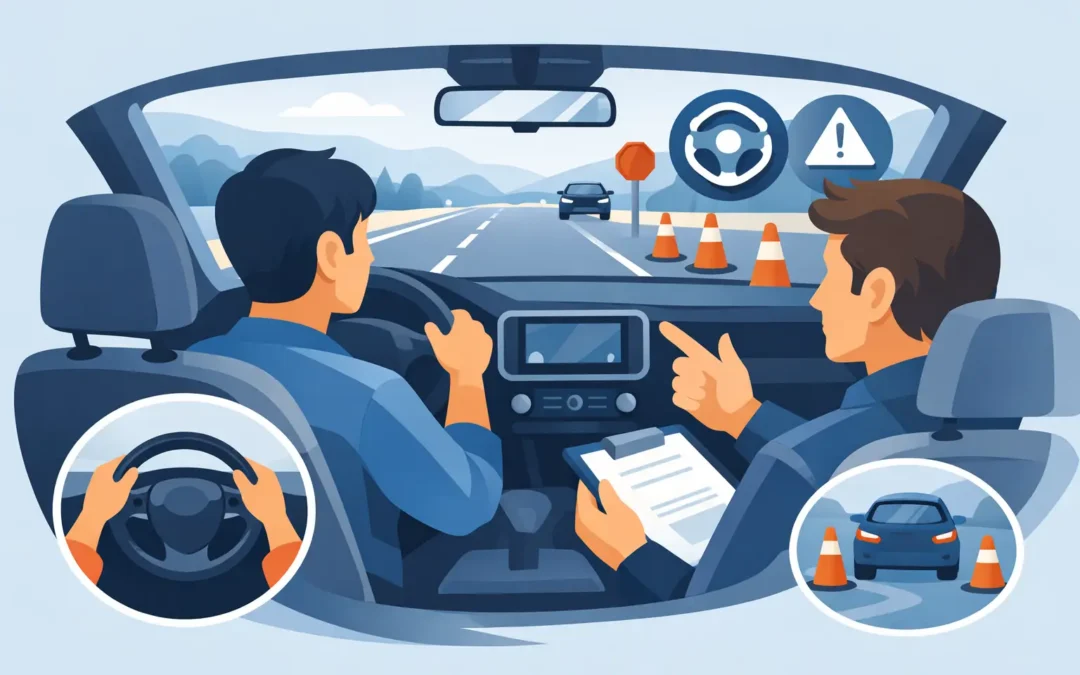
A teen can pass an online course, study the handbook, and still feel completely different once they sit in the driver’s seat. That is where behind-the-wheel training matters most. It turns rules on a screen into real decisions at intersections, in traffic, during lane changes, and under pressure.
For parents, this part of the licensing process often carries the most stress. It is one thing to know your teen needs lessons. It is another to feel confident that those lessons are structured, legal, safe, and worth the investment. For teens, the concern is usually simpler – they want to learn fast, feel comfortable, and be ready for the driving test without guessing what comes next.
What behind-the-wheel training actually includes
Behind-the-wheel training is the in-car portion of driver education where a student practices driving with a qualified instructor. In California, this step is not just helpful for teens – it is part of the path to earning a license. The value goes beyond checking a box. A trained instructor teaches how to apply the rules of the road in real traffic situations, with feedback in the moment.
That difference matters. Reading about right-of-way is not the same as judging a busy four-way stop. Watching a video about scanning hazards is not the same as learning when to check mirrors, monitor pedestrians, and anticipate a driver who may cut across your lane. Good training closes that gap.
A strong lesson plan usually starts with the basics, then builds in a clear sequence. New drivers begin with steering control, braking, speed management, mirrors, turns, and lane position. As they improve, lessons move into residential streets, major roads, traffic patterns, parking, freeway exposure if appropriate, and test-focused preparation. The best programs do not rush this process, but they also do not waste time. Each lesson should have a purpose.
Why teens learn faster with structured road instruction
Parents often ask whether they can simply teach everything themselves. In some cases, parents do a great job reinforcing practice. But professional behind-the-wheel training brings structure that most families cannot easily replicate.
An experienced instructor knows how to introduce skills in the right order. That helps reduce overwhelm, especially for nervous first-time drivers. Instead of trying to manage everything at once, teens learn one layer at a time. They gain confidence without building bad habits.
There is also the benefit of neutrality. Teens sometimes respond differently to an instructor than they do to a parent. That is normal. In a lesson setting, feedback is more direct, less emotional, and focused on technique. Parents are still essential for supervised practice, but professional instruction gives the process a steady foundation.
For many families, convenience matters just as much as teaching quality. Scheduling lessons, understanding the state requirements, preparing for the road test, and coordinating transportation can become a lot to manage. A school that offers a clear path from permit to test day removes friction from the process and makes it easier to stay on track.
What makes behind-the-wheel training effective
Not all driving lessons are equal. The most effective programs have a few things in common, and they are practical, not flashy.
First, the instruction should be teen-focused. Teaching a 15- or 16-year-old new driver is different from helping an adult brush up on driving. Teens need patient coaching, repetition, and simple explanations they can apply immediately.
Second, the instructor should be properly licensed, screened, and experienced. That is not just about professionalism. It affects safety, consistency, and the quality of correction a student receives. An instructor who has worked with thousands of students can spot common mistakes early and teach around them before they become habits.
Third, the lessons should be structured around progress. A student who is anxious may need more time on basic control before moving into heavier traffic. A student who picks things up quickly may be ready for more advanced situations sooner. Good training is organized, but not rigid.
Finally, there should be a clear connection to the DMV road test. That does not mean teaching students to memorize a route. It means preparing them for the skills the examiner expects to see – safe observation, control, smooth turns, lane discipline, proper stops, and confident decision-making.
Common questions parents have before enrolling
The first concern is usually safety. Parents want to know who will be in the car with their teen and whether that person is qualified to teach. That is a reasonable question, and any serious school should be able to answer it clearly.
The second concern is whether lessons are actually necessary if the family already plans to practice at home. In most cases, the answer is yes. Home practice and professional lessons work best together. The instructor establishes technique and corrects mistakes early. The family then reinforces those skills through additional supervised driving time.
The third concern is timing. Some teens are eager to start immediately after getting a permit. Others need a little time to feel ready. There is no single right pace for everyone, but delaying too long can make the process feel harder than it needs to be. Starting while motivation is high often leads to better follow-through.
Cost is another factor. Parents are right to compare packages and ask what is included. The lowest price is not always the best value if it means unclear scheduling, limited support, or lessons that do not build properly toward the road test. It helps to look at the full service, not just the headline number.
What teens should expect from their first lesson
Most first lessons begin with orientation. The instructor explains the controls, mirror use, seat position, and basic safety checks before the car starts moving. From there, students usually begin in lower-pressure areas where they can focus on steering, braking, turning, and staying centered in the lane.
That first drive is rarely perfect, and it does not need to be. The goal is not to look test-ready on day one. The goal is to get comfortable listening, reacting, and building awareness. A good instructor keeps the lesson calm and productive while introducing skills at a pace the student can manage.
Teens are often surprised by how much attention driving requires. It is not just about moving the car. It is about checking mirrors, reading signs, tracking other vehicles, watching pedestrians, and making decisions early. That mental side of driving is exactly why behind-the-wheel training is so valuable.
How to choose the right training program
Look for a school that makes the process easy to understand. Families should be able to see what is offered, what each package includes, and what the next step is. If the information is vague, the experience may be too.
It also helps to choose a provider with a strong local track record. A school that has served the same area for years will usually understand local roads, DMV expectations, and the concerns families have in that community. That local experience can make lessons more relevant and practical.
Ask whether the program is designed specifically for teens and permit holders. A teen-focused school will usually have more refined lesson flow, clearer communication for parents, and better preparation for first-time drivers. Services such as online driver education, bundled in-car lessons, and DMV test support can also save families time and reduce last-minute stress.
For students in North Orange County and nearby communities, working with an established local provider like Teen Driving Academy can make the entire process more manageable. When the instruction, scheduling, and test support are built around teen drivers, families spend less time piecing things together and more time moving forward.
The real goal is not just passing the test
Passing the DMV road test matters, but it is not the whole point. The bigger goal is helping a teen become a safe, alert, responsible driver after the license is issued. That takes more than memorizing a checklist.
Strong behind-the-wheel training teaches habits that stay with a student beyond test day. It helps teens learn how to manage pressure, recover from mistakes, and make safer decisions when the road is less predictable. Those are the skills families remember long after the paperwork is done.
If you are comparing options now, focus on instruction that is licensed, structured, and built for teen drivers. The right training should make the next step feel clear, not complicated. When a program is designed well, starting is the hardest part – and once that is done, progress usually comes faster than families expect.