
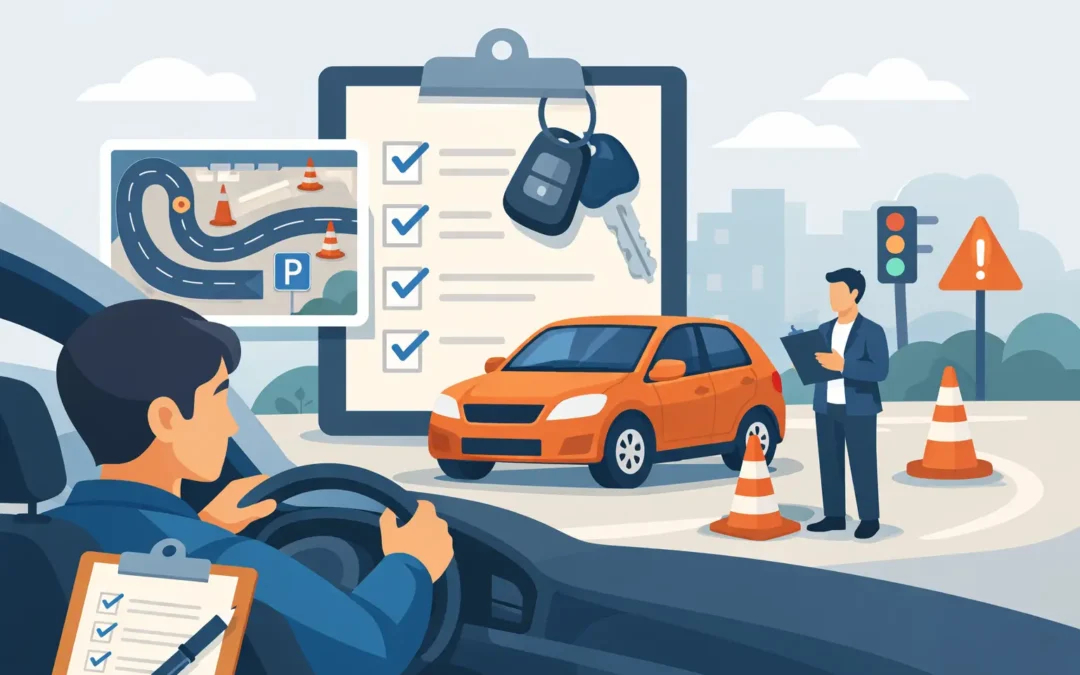
You can usually tell who is ready for the driving test before the car even leaves the curb. The student who checks mirrors without being reminded, adjusts the seat correctly, and stays calm through small mistakes is usually in a good place. If you are wondering how to prepare road test day without feeling rushed or overwhelmed, the answer is not cramming. It is building the right habits early and practicing them until they feel normal.
For teens, the road test is not just about passing one appointment at the DMV. It is a check on whether you can drive safely, make decisions under pressure, and handle a vehicle without constant coaching. For parents, it is also about knowing your teen is truly prepared, not just hopeful. That is why the best prep focuses on consistency, not shortcuts.
How to Prepare for a Road Test the Right Way
A lot of students think the road test is mainly about fancy maneuvers. In reality, examiners are watching the basics very closely. They want to see whether you scan properly, control speed, obey signs, yield when needed, and stay aware of what is happening around you.
That means your practice should look like real driving, not just repeated turns around the same quiet block. You need experience with residential streets, busier roads, lane changes, stop signs, right turns, left turns, parking, and backing up in a straight line. In California, smooth and safe decision-making matters more than trying to look perfect.
There is also a trade-off worth understanding. Some students practice a lot with family and become comfortable, but they also pick up casual habits that can hurt them on test day. Others practice less often but with stronger structure and clearer feedback. The best results usually come from both – enough time behind the wheel and coaching that corrects mistakes before they become routine.
Know What the Examiner Is Actually Looking For
The road test is designed to measure safe driving behavior, not confidence alone. You can feel calm and still lose points for missing a shoulder check. You can feel nervous and still pass if your decisions are safe and consistent.
Examiners commonly notice whether you stop fully behind limit lines, check mirrors regularly, signal early enough, and maintain safe following distance. They also watch how you handle intersections. Rolling stops, late braking, and turning too wide are common issues for first-time drivers.
One area that catches many teens by surprise is observation. Looking is not enough if it is too subtle for the examiner to see. You need clear mirror checks and obvious head movement when checking blind spots. It should be natural, but it also needs to be visible.
Another point is speed control. Driving too fast is an obvious problem, but driving too slowly can also create issues. If you hesitate too long or crawl when the situation calls for normal flow, it can suggest you are not yet comfortable making traffic decisions.
Build Practice Around Test Skills, Not Just Hours
If you want to know how to prepare road test skills effectively, start by practicing with intention. A 45-minute drive with specific goals is usually more useful than two hours of unfocused driving.
Pick one or two skills for each practice session. One day might focus on smooth stops, scanning, and right turns. Another might center on lane changes, left turns, and keeping proper lane position. This helps teens improve faster because they are not trying to fix everything at once.
Parents can help most by giving simple, direct feedback. Too much talking during practice can raise stress and make it harder for a teen to process what is happening. Short comments work better: check your speed, stop sooner, scan the crosswalk, reset and try that turn again.
Professional lessons can help when a student has reached a plateau. That is often the moment when outside coaching makes a difference. An experienced instructor can spot patterns families may miss, especially around California test expectations, defensive driving habits, and test-day readiness.
Practice the Details That Matter on Test Day
The little details count because they show whether your driving habits are reliable. Before every drive, get used to adjusting your seat, mirrors, and steering position. Buckle up right away. Make sure you know where the defroster, headlights, hazard lights, and parking brake are. The examiner may ask about basic controls before the test begins.
Parking deserves more attention than many students give it. Even if your route does not include every parking situation, you should still be comfortable with curb parking, backing straight, and judging distance carefully. A rushed park job can create unnecessary stress early in the test.
You should also practice recovering from small mistakes. Maybe you turn a little wide or brake later than you wanted. Safe drivers do not panic when something is imperfect. They correct smoothly and keep going. That mindset matters because one minor error does not usually end a test, but letting nerves spiral can.
Prepare the Car as Carefully as the Driver
A solid driver can still have a bad DMV experience if the vehicle is not ready. Before test day, confirm that brake lights, turn signals, horn, tires, windshield, and mirrors are all in proper working condition. Make sure registration and insurance are current and easy to access.
Clean the inside of the car too. It does not need to look brand new, but a cluttered vehicle can add distraction and make a nervous driver feel more disorganized. If you are using a family car, take time to practice in that same vehicle so the controls, turning radius, and braking feel familiar.
For some families, this is where road test support services are worth considering. Using a properly prepared training vehicle and having transportation to the DMV can remove a lot of last-minute stress, especially for working parents balancing schedules.
The Week Before the Test
The final week should be about sharpening habits, not overloading the student. A few shorter sessions are often better than one marathon practice drive. Focus on common test skills, problem areas, and calm repetition.
This is also the time to review paperwork, appointment details, and DMV requirements. Nothing increases anxiety faster than scrambling for documents on the morning of the test. Handle those details early so the driver can focus on driving.
It helps to schedule one realistic mock test. Drive quietly, as if an examiner were in the car. Limit coaching unless safety requires it. This gives teens a better sense of what the real experience feels like and shows whether they can perform without constant prompts.
If your teen is still making the same safety mistakes repeatedly, it may be smarter to delay than to rush. That can be disappointing, but it is often the better decision. A little more preparation now is easier than rebuilding confidence after a failed attempt.
What to Do on Road Test Day
Start the day early enough that nobody feels rushed. Eat something light, arrive with time to spare, and avoid filling the morning with extra commentary. Last-minute lectures usually do not help.
Right before the test, remind yourself of three basics: scan, control speed, and make smooth decisions. That is more useful than trying to mentally review every rule in the handbook. During the test, listen carefully, follow directions exactly, and ask for clarification if you do not hear something.
If you make a small mistake, keep driving safely. Do not assume the test is over. Many teens lose focus because they think one imperfect moment means they have failed. Often, the better move is to reset immediately and finish strong.
For families in North Orange County and nearby communities, working with a school that specializes in teen drivers can make this whole process easier. Structured lessons, DMV-ready vehicles, and test support remove guesswork and help students show what they can actually do behind the wheel.
Confidence Comes From Repetition, Not Hype
The students who do best are usually not the ones saying they will definitely pass. They are the ones who have practiced enough that safe habits happen automatically. That is the real goal of road test prep.
If you are preparing now, keep it simple. Practice with purpose, fix mistakes early, and treat the road test like a safety check rather than a performance. When a teen is trained well and given the right support, passing becomes much more than a lucky day – it becomes the natural next step.