
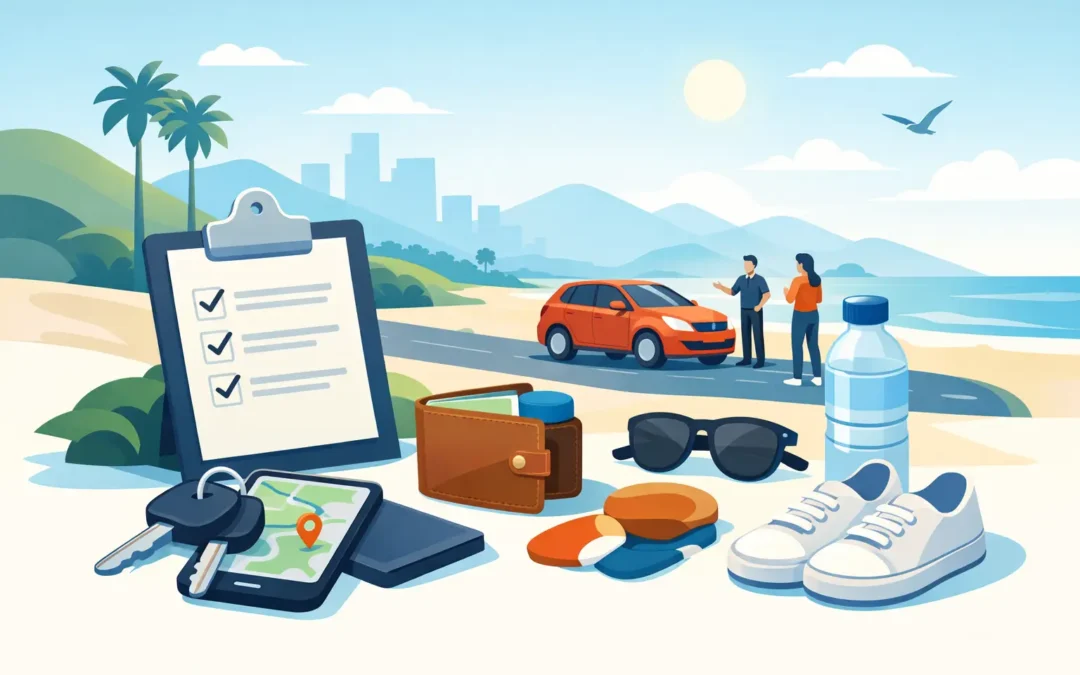
Your driving lesson starts before the car pulls away from the curb. Showing up with the right documents, proper shoes, and a clear head helps your instructor spend the full lesson teaching you how to drive, not sorting out avoidable problems.
If you are wondering what to bring to a driving lesson, start with your valid California learner’s permit. That is the one item that is not optional. From there, a few simple preparations can make your first lesson feel much more comfortable and productive.
Bring Your Valid California Learner’s Permit
Your physical learner’s permit should be with you for every behind-the-wheel lesson. A photo of it on your phone is not a replacement. Your instructor needs to confirm that you are legally permitted to practice driving before the lesson begins.
Check the permit before your pickup time. Make sure it is not damaged, expired, or sitting in another backpack, wallet, or jacket. This sounds basic, but it is one of the most common reasons a student may be unable to start a scheduled lesson.
If you recently received your permit, take a moment to read the information printed on it. California permit holders must follow specific restrictions, including driving only with a qualified supervising driver. Your professional driving instructor meets that requirement during your scheduled lesson.
Have Your Lesson Details Ready
You do not need to print a stack of paperwork, but having your lesson information available is helpful. Keep your appointment time, pickup address, and instructor or school contact information on your phone. If your family booked a package, it is also smart to know how many hours you have completed and what skills you worked on last time.
This is especially useful when lessons are spaced a few weeks apart. You may remember that you practiced turns or parking, but not whether you still need work on lane changes, right-of-way decisions, or residential driving. A quick note in your phone after each lesson can help you pick up where you left off.
Parents should also make sure any required enrollment forms, waivers, or payment arrangements are completed before the first drive. Each school has its own process. Taking care of those details in advance keeps the pickup simple and lets the student focus on driving.
Wear Shoes That Help You Control the Pedals
The right shoes matter more than many new drivers realize. You need to feel the brake and accelerator clearly and move between them without your foot catching or slipping. Closed-toe, flat shoes with a secure fit are usually the best choice for a driving lesson.
Avoid high heels, flip-flops, loose slides, heavy work boots, or shoes with very thick soles if you have another option. These are not always illegal, but they can make pedal control less predictable. Early driving lessons are about building safe habits, and consistent footwear makes it easier to learn how much pressure the car needs.
Dress for the weather, but keep comfort in mind. You will be turning your head to check mirrors and blind spots, reaching the steering wheel, and moving your feet often. A restrictive jacket, oversized hoodie, or clothing that makes it hard to move can become distracting.
Bring Your Glasses or Contact Lenses If You Need Them
If your permit requires corrective lenses, wear them for your lesson. Clear vision is essential for reading traffic signs, seeing pedestrians near crosswalks, judging distance, and checking mirrors. Do not assume you can get through one lesson without them because the route is familiar or the weather is clear.
If you wear glasses, consider bringing a case and a cleaning cloth. Smudged lenses, glare, or rain spots can make it harder to see details on the road. Contact lens wearers may want to bring backup glasses, especially if allergies or dry eyes sometimes affect their vision.
Your instructor may remind you to scan farther ahead than you naturally do as a beginner. That skill depends on being able to see clearly, not just directly in front of the car.
Bring Water, But Keep Distractions Put Away
A small bottle of water is a good idea, particularly during warm Orange County afternoons or longer sessions. Driving requires concentration, and being thirsty, hungry, or overheated can make a nervous student feel worse.
Your phone should stay silenced and out of your hands while the vehicle is moving. Use it before the lesson to confirm pickup details, then put it away. A driving lesson is not the place to answer texts, change music, or record videos. Your instructor needs your full attention, and you need to hear directions clearly.
You also do not need to bring friends, siblings, or extra belongings. Most training vehicles have limited space, and fewer distractions create a better learning environment. Bring only what you can safely keep in a pocket, small bag, or designated storage area.
What You Should Not Bring to a Driving Lesson
New drivers sometimes overprepare by bringing items they will not use. Keep your lesson setup simple. Leave behind anything that could interfere with safe driving, including:
- Food or drinks that need to be held, opened, or managed while driving
- Headphones or earbuds
- Loose bags, sports equipment, or large personal items that can shift in the car
- Anything illegal, unsafe, or distracting
If you need medication, tell your parent and follow your doctor’s instructions. Do not take a medication that makes you drowsy before a driving lesson. If you are sick, exhausted, overly upset, or unable to focus, rescheduling may be the safer choice. A missed lesson is frustrating, but practicing when you are not alert is not worth the risk.
Bring Questions and Be Honest About What Feels Hard
The most useful thing you can bring is a willingness to learn. Your instructor expects questions, especially during your first few lessons. You do not need to already know how to park, merge, judge a left turn, or navigate a busy intersection. That is what training is for.
Tell your instructor what makes you nervous. Maybe it is traffic near a shopping center, changing lanes, driving past parked cars, or braking smoothly. Being specific helps the instructor adjust the route and coaching to your current skill level. It is much better to say, “I am not comfortable with that yet,” than to pretend you understand and become overwhelmed.
You can also share your goals. If you have a DMV road test coming up, need extra practice with parallel parking, or have not driven since getting your permit, say so at the beginning of the lesson. A structured program should build skills in the right order, but your real driving needs matter too.
A Quick First-Lesson Check Before Pickup
Before your instructor arrives, take 60 seconds to check that you have your permit, glasses or contacts if needed, secure shoes, water, and your phone for pickup communication. Then put the phone away when it is time to drive.
Eat something light beforehand if you have not had a meal, and arrive ready to listen. First lessons can feel exciting and intimidating at the same time. That is normal. You will not be expected to perform perfectly, but you should be ready to pay attention and follow directions.
For parents, a calm sendoff helps too. Avoid turning pickup into a last-minute quiz or warning session. Your teen will receive professional coaching in the vehicle. A simple reminder to bring their permit, wear safe shoes, and ask questions is enough.
What to Bring to a Driving Lesson With a Training School
When you train with a licensed school, the vehicle is generally equipped for instruction, so you do not need to bring a family car or worry about gas, insurance, or vehicle safety checks. A school vehicle may also have an instructor brake for added protection while your teen is learning.
At Teen Driving Academy, students can focus on the skills that lead toward safer independent driving while training with DMV-licensed, pre-screened instructors. For families in North Orange County, having a clear lesson plan and convenient pickup arrangements can remove much of the stress from the process.
Your permit, good shoes, clear vision, and a ready-to-learn attitude are enough to begin. Bring those basics, arrive a few minutes early, and let each lesson build the confidence you will need for the next one.