
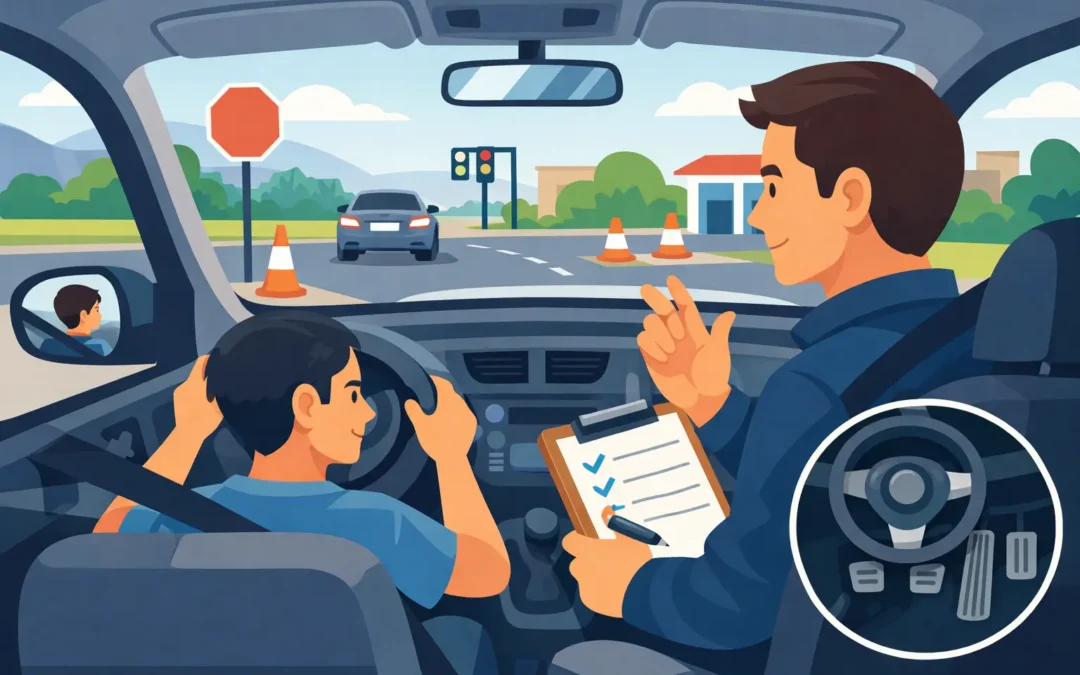
The first time you sit in the driver’s seat with an instructor, it usually feels like two things at once – exciting and a little intimidating. If you’re wondering what to expect in first driving lesson, the good news is that it is usually much calmer and more structured than most teens imagine. You are not expected to know everything, drive perfectly, or handle busy traffic right away.
A professional first lesson is designed to help you get comfortable, build trust with your instructor, and learn the basics one step at a time. For parents, that structure matters too. A strong start can make the rest of the training process safer, smoother, and less stressful.
What to Expect in First Driving Lesson Before the Car Moves
Your first lesson usually begins with a short introduction. The instructor will confirm your permit, check that you have what you need, and explain how the lesson will work. This first conversation is not filler. It helps set expectations and gives the instructor a sense of your comfort level, previous practice, and any concerns you or your parent may have.
Most teens are surprised by how much time is spent on setup before any real driving begins. You may go over seat position, mirror adjustment, steering wheel placement, dashboard basics, and how to use the brake and accelerator smoothly. If you have never sat behind the wheel before, this part is extremely important. Good driving starts with good habits, and those habits begin before the car even leaves the curb.
You will also review basic safety rules. That can include checking blind spots, understanding the difference between scanning and staring, keeping both hands in a stable position on the wheel, and learning how your instructor may give directions or step in if needed. In a training vehicle, there is often an instructor brake, which gives an extra layer of safety while you learn.
The First Skills You’ll Usually Practice
A first lesson is usually focused on fundamentals, not on advanced driving. In most cases, the instructor will choose a low-pressure area to begin. That could be a quiet neighborhood street, a residential area with light traffic, or a calm local route where you can focus without too many distractions.
Starting, stopping, and steering
The earliest driving tasks are often simple on purpose. You may practice moving the car forward smoothly, stopping gradually, and keeping the wheel steady. That sounds basic, but these first motions tell your instructor a lot about your coordination, confidence, and reaction time.
New drivers often press the brake too hard at first or overcorrect the wheel. That is completely normal. The point of the first lesson is not perfection. It is learning how the car responds and how to stay calm while making small adjustments.
Turning and lane position
Once you are moving comfortably, you may practice right turns, left turns, and staying centered in your lane. Instructors usually watch for common beginner habits like turning too wide, drifting slightly, or braking too late. These are fixable issues, and the first lesson is exactly where they should show up.
In California, proper lane position and smooth turns matter early because they carry into every later skill, including residential driving, traffic control, and eventually the DMV road test.
Scanning and awareness
A good instructor teaches more than just car control. You will likely start learning where to look, how far ahead to scan, and how to notice parked cars, pedestrians, bikes, and intersections. Many first-time drivers focus too closely on the front of the hood. Your instructor will help you look farther ahead so your reactions become smoother.
What Your Instructor Will and Will Not Expect
This is where many teens put too much pressure on themselves. Your instructor does expect you to listen, follow directions, and take safety seriously. They do not expect you to drive like someone with six months of experience.
If this is your first time driving on public streets, mistakes are expected. You may brake late, hesitate at a turn, or need reminders about signals and mirror checks. That does not mean you are a bad driver. It means you are new.
An experienced, DMV-licensed instructor is trained to spot what needs work without making the lesson feel overwhelming. Some students need more time just getting comfortable with speed control. Others are comfortable moving the car but need more coaching on scanning or turn timing. It depends on the student, and that is exactly why personalized behind-the-wheel training matters.
Nerves Are Normal – and Usually Fade Fast
If your heart is pounding before the lesson, you are in very good company. Most teens are nervous before the first drive, even if they have been looking forward to it for weeks. Parents are often anxious too, especially if this is their first child going through the licensing process.
The good news is that nerves usually ease once the lesson starts. A calm instructor, a structured route, and clear step-by-step directions make a big difference. Many students finish their first lesson feeling more confident than they expected.
That said, confidence should build gradually. Feeling better after one lesson is great, but no one becomes a safe, test-ready driver in a single session. Real progress comes from repetition, consistency, and practicing the right skills in the right order.
What to Bring and How to Prepare
If you want the first lesson to go smoothly, a little preparation helps. Bring your learner’s permit and wear shoes that allow you to feel the pedals properly. Avoid bulky footwear or anything that slips easily. You should also wear something comfortable enough to let you move freely and stay focused.
Try to arrive rested and fed. A first lesson takes concentration, and being hungry, tired, or rushed can make you more tense than necessary. If your parent is involved in scheduling, this is one reason many families prefer lessons that fit clearly into the day without extra logistical stress.
It also helps to come in with the right mindset. You do not need to impress anyone. You just need to be coachable. Students who listen carefully and stay open to correction often improve faster than students who come in overconfident.
What Parents Should Expect From the First Lesson
For parents, the first lesson is often about reassurance. You want to know your teen is learning from someone qualified, patient, and safety-focused. You also want to know the process is structured, not random.
A solid first lesson should leave your teen with a clearer understanding of the vehicle, the road, and the next steps. It should also give you confidence that the instructor is building skills in a logical way. If your teen says, “We started with the basics, I got feedback, and I know what I need to practice,” that is a strong sign the lesson did its job.
Parents should not expect total transformation in one session. The first lesson is a foundation. It matters a lot, but it is still just the beginning. Safe driving habits are built over time through professional instruction and regular practice.
How the First Lesson Fits Into the Bigger Picture
The first drive is only one part of learning to drive in California. Teens still need continued training, supervised practice, and enough real-world experience to handle different situations confidently. That includes traffic, lane changes, parking, busier intersections, and eventually test preparation.
This is why many families choose a structured program instead of treating lessons as one-off appointments. A clear plan makes it easier to track progress, schedule required training, and avoid gaps that slow learning down. For busy parents, convenience matters almost as much as quality instruction.
In areas like North Orange County, where teens may drive through everything from quiet neighborhoods to crowded commercial streets, steady skill-building is especially valuable. A student who learns gradually in a training vehicle with a screened instructor is usually better prepared than one who tries to piece everything together informally.
A Realistic Picture of the End of the Lesson
By the end of the first lesson, most students have done more than they expected but less than they imagined in their most anxious moments. You probably will not tackle every driving skill in one session. You may not go on a major road. You may still have questions.
That is normal. A successful first lesson usually ends with feedback, a few clear areas to practice, and a better sense of what comes next. Maybe you need smoother stops. Maybe your turns are improving but still a little wide. Maybe your instructor wants you to work on scanning farther ahead. Specific feedback is a good thing. It means the training is doing what it should.
If you are getting ready to start, the best expectation is a simple one: your first driving lesson should feel safe, structured, and manageable. With the right instruction, those first few nervous minutes can turn into real confidence faster than you think. Start with the basics, stay teachable, and let the process do its work.